


Fluzy: Learn Language with AI
4.679.00 Reviews
App Specs
- Version
- 1.5.9
- Updated On
- License
- Free
- Downloads
- 5,000,000+
- Developer
- Mall Collections
- Categories
- Education
- Platform
- Android
Screenshots



 Analysis by AppCompare
My first few sessions with Fluzy: Learn Language with AI had the appeal I want from a language app: I could start practising without turning the evening into a study project. It is an education app from Mall Collections, built around English speaking and Korean practice. That focus matters. If you want a flexible way to work on those skills, it may be worth trying; if you are looking for a broad course covering many languages, I would look elsewhere.
Why the first week feels inviting
Fluzy’s conversational approach gives practice a more immediate feel than studying a list of words on its own. Speaking to an AI can also lower the social pressure of making mistakes in front of another person. I find that useful when I have a phrase on the tip of my tongue but need a low-stakes place to try it aloud. The first-week appeal is less about a dramatic transformation and more about making the next practice session feel approachable.
A sensible way to start is to keep sessions tied to a small, real goal: rehearse a greeting, try expressing a simple opinion, or say a short answer aloud instead of silently reading it. That gives the interaction a purpose and makes it easier to notice what you want to practise again. I would not treat a smooth exchange as proof that a phrase is ready for every real-world situation, though. AI practice is rehearsal, not a substitute for hearing how people actually speak in different contexts.
Fluzy is free to download, and its content rating is Everyone. The app has a 4.4 average from around 2,200 ratings, with over a million installs. Those figures suggest that it has reached a substantial audience, but I would still judge it by whether its particular English-speaking and Korean-practice focus matches what you need. A well-used app is not automatically the right course for every learner.
Getting Started with Fluzy
I started my journey with Fluzy by downloading it from the App Store. The first thing that struck me was how sleek and intuitive the interface is. Setting up my profile was a breeze, and I was immediately greeted with a variety of language options. The app offers a plethora of languages, from the usual suspects like Spanish and French to more exotic choices like Mandarin and Swahili. I decided to brush up on my rusty Italian.
Once you select your language, Fluzy asks about your current proficiency level. This is where the AI magic begins. It tailors the learning modules according to your level, which means no more wasting time on basics if you’re already past that stage. Pretty neat, huh?
Interactive Learning Experience
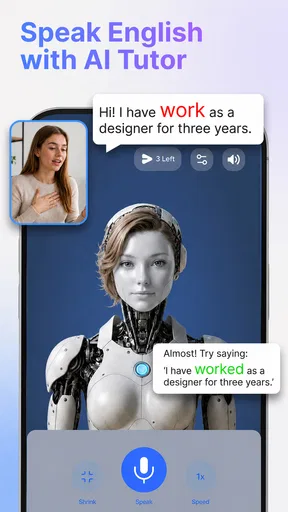
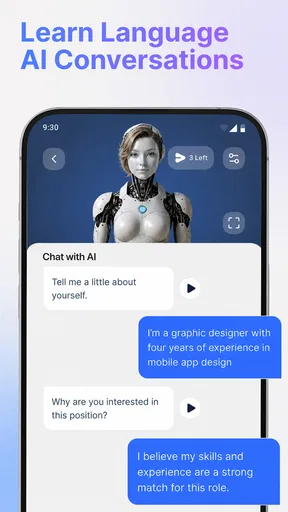
What sets Fluzy apart is the interactive learning experience. The app isn’t just about rote memorization. Instead, it incorporates real-life conversations, interactive quizzes, and even cultural tidbits to keep things interesting. I found myself speaking to the AI in Italian, and it responded with corrections and suggestions. It’s like having a personal tutor in your pocket, minus the hefty price tag.
Worth Reading Before You Choose

Flipboard Shows What News Apps Must Do Beyond the Feed

Switching to Android Auto Means Rethinking Your Driving Routine

Google Calendar Makes a Crowded Week Easier to Manage

Ludo King Makes the Most of the Minutes Between Plans

Baby Panda World Brings Quick Play to Modern Phones, but Its Game Library Feels Busy

ESPN’s Live Game View Makes Following Close Games Easier
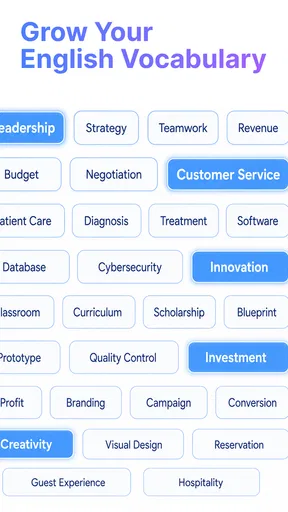
One feature I particularly loved is the smart flashcards. They adapt based on your response accuracy, ensuring you focus more on words and phrases you struggle with. And the best part? You can practice pronunciation with the AI, which gives you instant feedback. I mean, who doesn’t love a bit of immediate gratification?
Making practice useful beyond the app
The most useful way I would work these tools into a routine is to connect them rather than treating each as a separate activity. If a speaking exchange exposes a phrase I hesitate over, I would make that phrase the focus of a later review, then try saying it again without looking. That small loop—attempt, notice, revisit—can make a short session more valuable than simply completing another exercise. It also helps prevent flashcards from becoming a collection of correct taps with no connection to speech.
For a realistic everyday use case, imagine having a few spare minutes before a commute or while waiting for an appointment. I would use that time for one short speaking attempt, then save longer concentration for reviewing vocabulary when I am somewhere quiet. Speaking aloud in a crowded place may be awkward, and voice recognition can be less useful if background noise interferes. A quiet moment is better for pronunciation work; a noisy one may suit silent review instead.
That distinction is a practical trade-off for anyone deciding whether Fluzy can become a daily habit. A speaking-first app asks you to make room for active practice, not just open it while doing something else. I would set a modest routine that fits the places where I can comfortably talk, rather than rely on reminders to create time that is not actually available.
Progress Tracking and Motivation
Fluzy also excels at keeping you motivated. The app has a built-in progress tracker that shows how far you've come. Seeing those numbers go up is incredibly satisfying and a great motivator to keep pushing forward. Plus, the app sends friendly reminders to keep you on track with your daily practice. It’s like having a cheerleader in your phone.
The gamification element is a nice touch too. You earn points and badges as you complete lessons and challenges, which adds a competitive edge to the experience. It’s a great way to stay engaged and not feel like you're slogging through traditional language learning drudgery.
What changes after the novelty wears off
At first, points, badges, and reminders can make it easier to return. Over time, though, I would pay more attention to whether I can do something useful with what I have practised. A streak or badge may show consistency, but it cannot tell me on its own whether I can form a sentence without prompts or understand a reply at natural speed. I would use progress indicators as encouragement, then check my learning with a simple personal test: can I express the same idea again tomorrow without leaning on the cue?
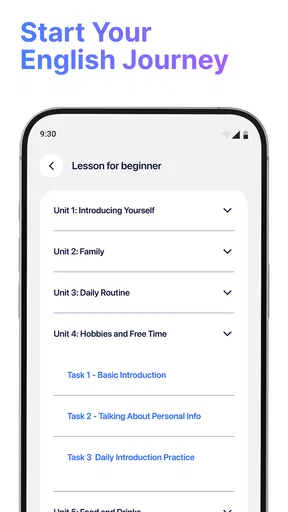
This is where Fluzy’s conversational angle has a different rhythm from a conventional vocabulary course. A course built around structured units can be easier to follow when you want a clear sequence and predictable coverage. A flashcard-only tool can be quicker for reviewing a large vocabulary set. Fluzy’s appeal is the opportunity to practise producing language, so I would use it alongside those alternatives if I needed systematic grammar explanations or broad reading and listening work.
For an English learner who mainly wants speaking practice, or someone practising Korean who benefits from trying phrases aloud, that distinction may be a strength. For a learner preparing for a formal exam, working through a textbook syllabus, or seeking detailed explanations of grammar, I would not make Fluzy the only resource. Conversation practice can reveal gaps, but noticing a gap and learning the rule behind it are different tasks.
Keeping the routine manageable
The best maintenance plan is one that does not turn the app into another obligation. I would keep a short list of phrases I genuinely want to use, then bring one or two into a session instead of trying to practise everything at once. If a correction keeps recurring, that is a better signal for what to review than a desire to clear every available activity. This approach also makes it easier to judge whether practice is improving something specific rather than merely filling time.
Reminders can help if I tend to forget, but they can also become background noise when they arrive at inconvenient moments. I would treat them as prompts, not commitments, and choose a time when speaking is practical. If I repeatedly dismiss them, changing the routine is more sensible than blaming myself for lacking motivation. A language habit should fit around daily life, not depend on perfect conditions.
There is also a cost decision to make before relying on paid features. Fluzy is free, but it offers in-app purchases ranging from $7.99 to $199.99 per item. I would first establish whether its core practice style suits me, then decide whether any paid option is worthwhile for my own use. The broad range makes it especially important to check the purchase details in the app before committing; I would not assume that every learner needs to pay to benefit from a first trial.
Challenges and Improvements
While Fluzy is fantastic in many ways, there are a few areas that could use some polish. For instance, during my usage, I noticed that the voice recognition isn’t always spot-on. Sometimes it misinterprets what you’re saying, which can be a bit frustrating, especially when you’re trying to perfect your accent.
When recognition seems wrong, I would avoid repeating the same attempt endlessly. First, try slowing down and saying the phrase clearly once; if the result still seems inconsistent, move on and return later rather than letting one judgement dominate the session. Automated feedback is useful for practice, but it should not be treated as an unquestionable verdict on pronunciation. A microphone can misunderstand a learner, and a single correction may not explain what sound or rhythm needs work.
Another thing to keep in mind is that while the app is free to download, some features are locked behind a premium subscription. It’s not a deal-breaker by any means, but it’s something to be aware of if you’re on a tight budget.
Who is likely to keep using it?
I can see Fluzy earning a lasting place for learners who are willing to speak aloud regularly and want a convenient way to rehearse English or Korean. It is particularly appealing if the thought of practising with a person feels intimidating, or if you want an extra speaking exercise between lessons. Someone who already has a teacher could use it as a low-pressure practice partner, while still taking questions about grammar and nuance back to the teacher.
I would skip it as a main learning tool if my priority were a full course in a language outside its English and Korean focus, a carefully sequenced exam plan, or extensive written explanations. I would also be cautious if I knew I would never speak aloud or if repeated automated recognition errors would make me lose patience. In those cases, a textbook-led course, a listening resource, or a human tutor may be a better fit. The right choice depends on the skill I most need to build, not on which app has the most engaging interface.
The current version is 1.2.2, and it runs on Android 8.0 or later. That makes it accessible to many older Android devices, though I would still check the store page on the device I plan to use before installing. The developer is Mall Collections, and the app’s education focus is clear in its emphasis on practising language rather than simply browsing reference material.
Final Thoughts
All in all, Fluzy: Learn Language with AI is a solid choice for anyone looking to learn a new language or improve their skills. Its interactive and adaptive approach makes learning engaging and fun, which is crucial in keeping motivation high. Despite a few hiccups with voice recognition, the app’s overall performance and innovative features make it a standout in the language learning category.
If you’re curious and want to give it a go, you can easily download it from the App Store or Google Play. Who knows? You might just find yourself chatting away in a new language before you know it!
My long-term test would be simple: after the first burst of curiosity, does opening Fluzy still lead to a useful speaking attempt? If yes, and the language focus matches your goal, it can be a practical part of a wider routine. If the rewards become the main reason to return, or the speech feedback repeatedly frustrates you, there is no need to force it. I would keep it for the practice it genuinely makes easier, and pair it with a more structured resource when I need depth.
Pros
- Interactive AI-driven lessons.
- Wide variety of languages offered.
- User-friendly interface.
- Real-time feedback on pronunciation.
- Gamified learning experience.
Cons
- Limited offline functionality.
- Some languages lack depth.
- Occasional app lagging issues.
- In-app purchases can be pricey.
- Requires constant internet access.
FAQs for Fluzy: Learn Language with AI
What is Fluzy: Learn Language with AI?
Fluzy is an innovative language learning app powered by AI technology. It offers personalized lessons tailored to individual learning styles, making it suitable for beginners and advanced learners. With a focus on real-life conversations and cultural context, Fluzy aims to make language learning engaging and effective.
How does Fluzy use AI to enhance language learning?
Fluzy utilizes AI to analyze user progress and adapt lessons accordingly. The AI tracks your strengths and areas for improvement, providing customized exercises and content. This adaptability ensures a more efficient learning process, helping users achieve fluency faster than traditional methods.
Is Fluzy suitable for all language learners?
Yes, Fluzy is designed for learners at all levels, from beginners to advanced. The app offers a wide range of languages and adjusts the difficulty of lessons based on user proficiency. Whether you're starting from scratch or refining your skills, Fluzy provides the necessary tools to progress.
What features does Fluzy offer to enhance learning?
Fluzy includes a variety of features such as interactive exercises, speech recognition for pronunciation practice, and cultural notes to provide context. The app also offers daily challenges, progress tracking, and community forums to connect with other learners, making the experience comprehensive and engaging.
Is there a subscription cost for Fluzy?
Fluzy offers both free and premium subscription options. The free version provides basic access, while the premium version unlocks advanced features, such as unlimited lessons and offline access. Subscription plans are flexible, catering to different budgets and learning needs.


